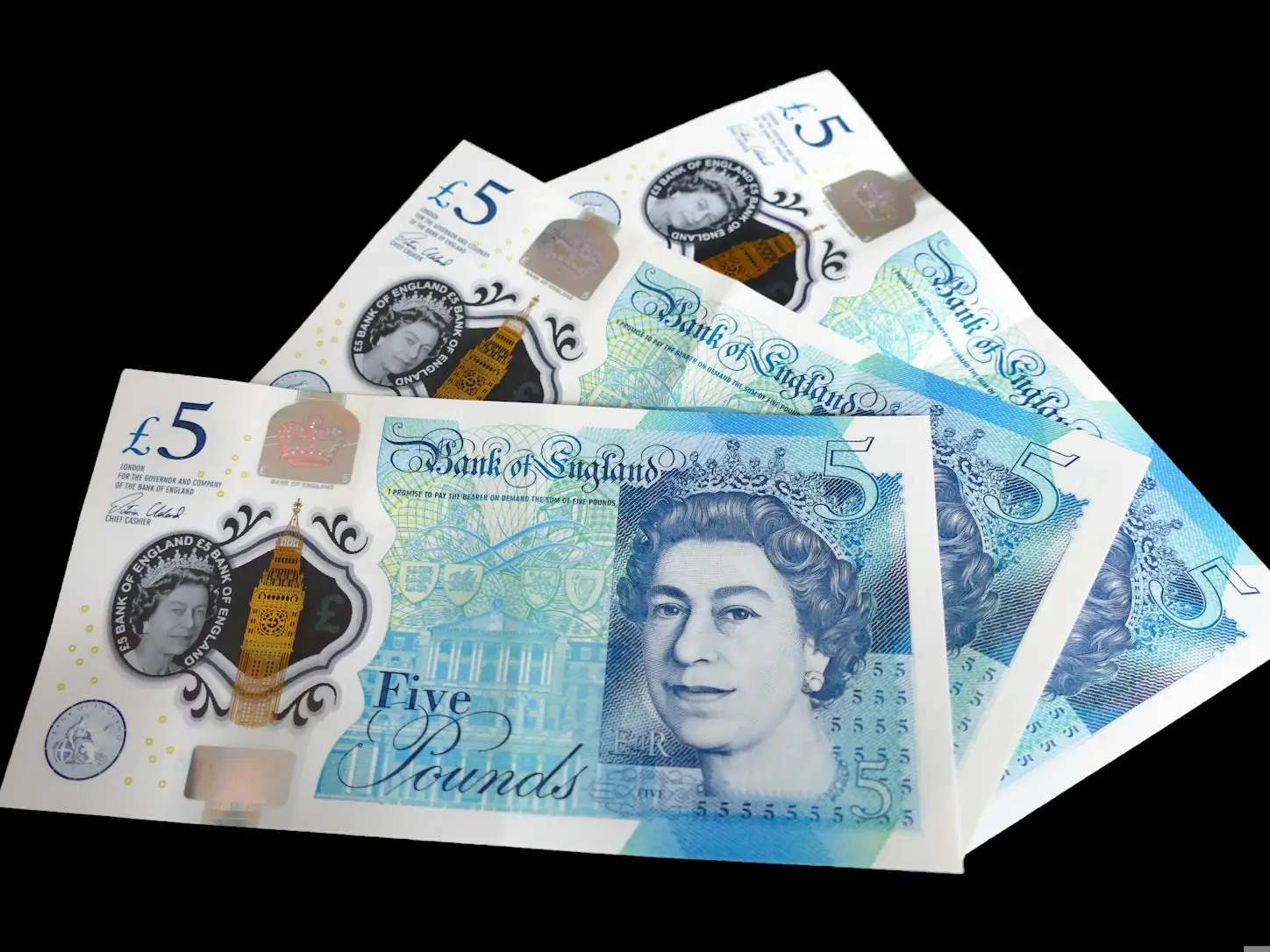

Your savings might be growing, but is your money keeping up?
Cash savings play an important role in financial planning, particularly for emergencies and short-term needs. For many people cash feels like the one place their money cannot go backwards. There is another risk worth considering though: inflation.
How inflation erodes cash
If the cost of living rises faster than the interest you are earning, your money could actually buy less over time, even if your savings balance is increasing.
Say you have £20,000 earning 2% a year while prices rise by 3% a year. After a year your balance is £20,400, but the same shopping now costs 3% more. In real terms you can buy about 1% less than you could a year ago. Repeat that for ten years and the gap becomes significant.
The Bank of England’s inflation target is 2% a year. When inflation runs above that or savings rates fall below it, cash loses spending power more quickly.
Myth and fact
“My balance has never gone down, so I haven’t lost anything.” The number on the statement can rise while what it buys falls. The real measure is spending power.
“Cash is the wrong choice.” Not at all. Cash is the right home for an emergency fund and for money you will need in the next few years.
Cash in UK banks and building societies is protected by the Financial Services Compensation Scheme up to a limit per person, per banking licence, if the bank fails. That protects you against a bank failing, not against inflation.
From 6 April 2027, tax on savings interest above the Personal Savings Allowance rises by four percentage points, confirmed in the Autumn Budget. Cash held in an ISA is not taxed and the £20,000 ISA allowance has been kept.
It’s not about cash being right or wrong. It’s about finding the right balance.
Finding the right balance
That doesn’t mean cash is the wrong choice. It’s about finding the right balance for your circumstances, your goals and your attitude to risk. For money you will not need for many years, investing could offer the potential to keep ahead of inflation, with the risk that its value can fall as well as rise.
We wrote about this some years ago in Reckless Caution and the principle has not changed. If you would like to see what inflation could do to your savings over twenty years, try our cashflow modelling calculator, which shows everything in today’s money.
Want to talk this through?
A free introductory call with an adviser. No obligation afterwards.
This article is for general information only. It is not personal advice and it is not a recommendation. The value of investments and the income from them can fall as well as rise and you may get back less than you invested. Past performance is not a reliable indicator of future results. Tax treatment depends on individual circumstances and may change. Fernleigh Wearden & Company Ltd is authorised and regulated by the Financial Conduct Authority, firm reference number 929372.